Center for the study and the application of psychodrama and sociodrama | Sofia Symeonidou
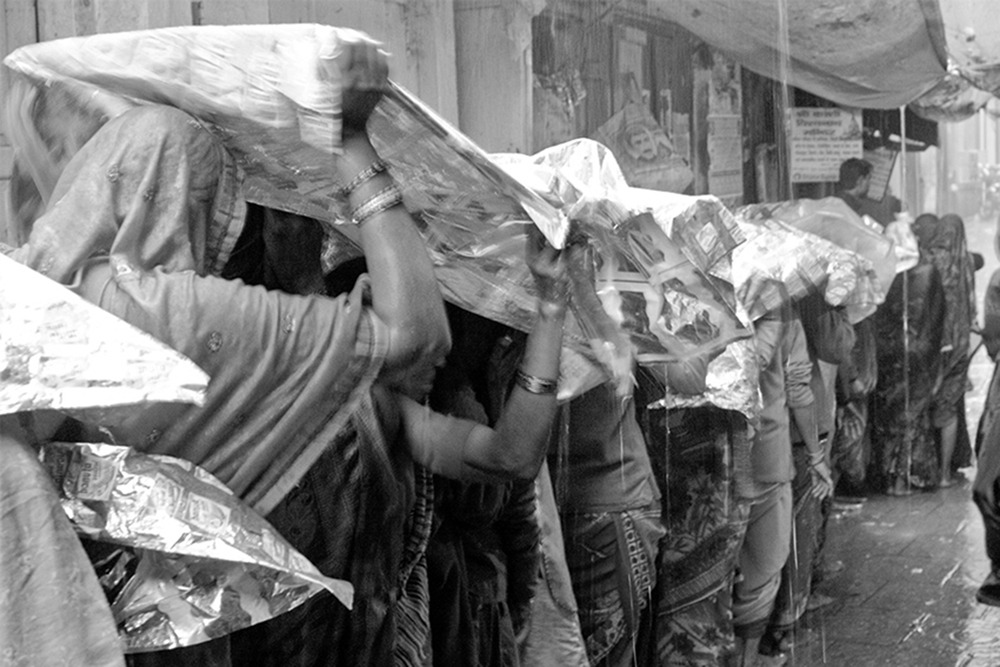
The technique and the philosophy of psychodrama in the fight for the defence of Human Rights across the world.
Experience to date has shown that human rights education is inconceivable without the experiential process, whether in the formal or non-formal and informal learning settings. Human rights training would end up being the worst form of manipulation, if addressed to passive learners, and would take the form of “ideology training”.
People, as rich reservoirs of experience, incorporate the bulk of Human Rights through their daily exchanges in the family, school, work and social settings they belong to and interact in.
Human balance, the balance of individual personalities, the balance of societies is defined by and depends on the recognition and enforcement of human rights.
The citizens of each state should be aware of the existence of Human Rights, be able to defend them when they are violated and respect them in their daily lives. Knowing how to defend and protect one’s own rights is important, but not enough. Human rights must be respected not only in some societies, but rather in all of them.
There is no a country in the world having a “clean record” when it comes to human rights violations.
The Centre for the Study and Application of Psychodrama, in cooperation with ARSIS (Association for the Social Support of Youth) set up a group of social scientists in view of training them in a set of methodologies, including psychodrama, so as for them to implement human rights interventions in the community, whenever human rights are attacked or trampled on, and raise the awareness of and empower mainly young people.